What happened to the man who put his head in a particle accelerator?
He survived: in 1978, physicist Anatoli Bugorski leaned into the proton beam of a Soviet particle accelerator. The dose along its path was hundreds of times a lethal one, but the beam was thinner than a pencil. The leading explanation is that it never touched the bone marrow in the rest of his body. His left ear went deaf.
What the reel shows
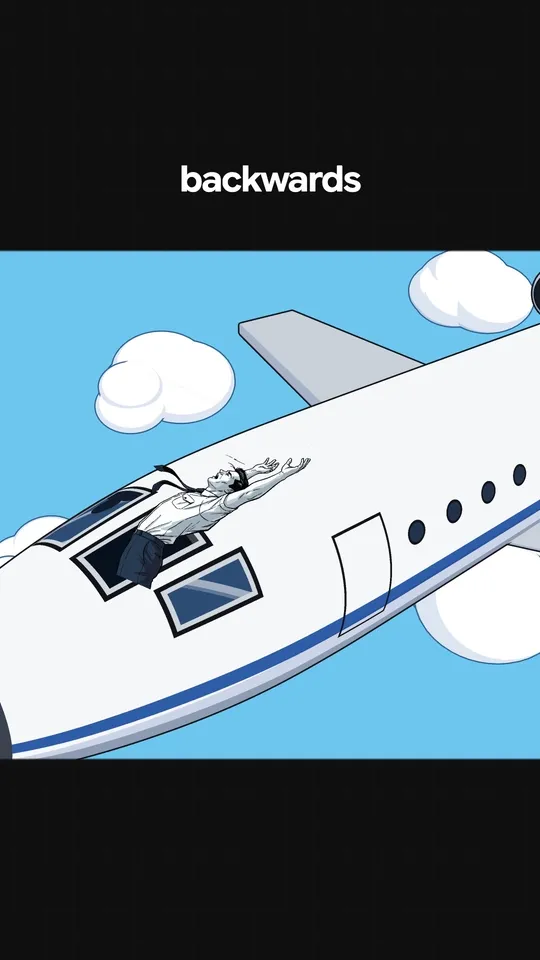
The reel opens on a scientist leaning toward a beam pipe in a dark hall, and a flash as the beam passes straight through his head. A bar chart sets a deadly dose against the dose in the beam, then doctors watch him in a hospital bed as the weeks pass. His left ear goes deaf and the left side of his face stops moving. An x-ray view ends the reel: the 2 by 3 mm beam crosses his skull, and the bone marrow in the rest of his body is untouched.
Transcript
A scientist leaned his head into a broken machine, and saw a flash brighter than a thousand suns. The machine was a particle accelerator, a giant ring in Russia that sends a beam of tiny particles racing around it. The scientist thought the beam was off, but it was still on, and it was going straight through his head. He felt no pain at all. The beam was thinner than a pencil. But inside that thin beam, the radiation was hundreds of times stronger than a deadly dose. The next morning, the left side of his face was swollen like a balloon, and doctors at a hospital expected him to die. But weeks went by, and the scientist was still alive. His left ear went deaf, and the left side of his face slowly stopped moving. So why didn't all that radiation kill him? You see, a deadly dose usually kills by wrecking the bone marrow inside your bones, so your body stops making blood. But the beam that hit the scientist was thinner than a pencil, so it only burned one line through his head, not his whole body. The beam never touched the bone marrow in the rest of his body, so his body kept making blood, which is most likely why he lived.
The facts, with sources (7)
- He leaned into the beam in 1978. Bugorski, a physicist in Protvino still working on his PhD, leaned over a malfunctioning part of the U-70 accelerator to check it. The U-70 is a proton ring about 1.5 km around. RBTH · U-70 (Wikipedia)
- He thought the beam was off. According to RBTH, he had asked the control room to switch it off and went in a minute or two early, and the warning light was broken. RBTH · Wikipedia
- He saw a flash and felt no pain. He described the flash as "brighter than a thousand suns". Discover · Gizmodo
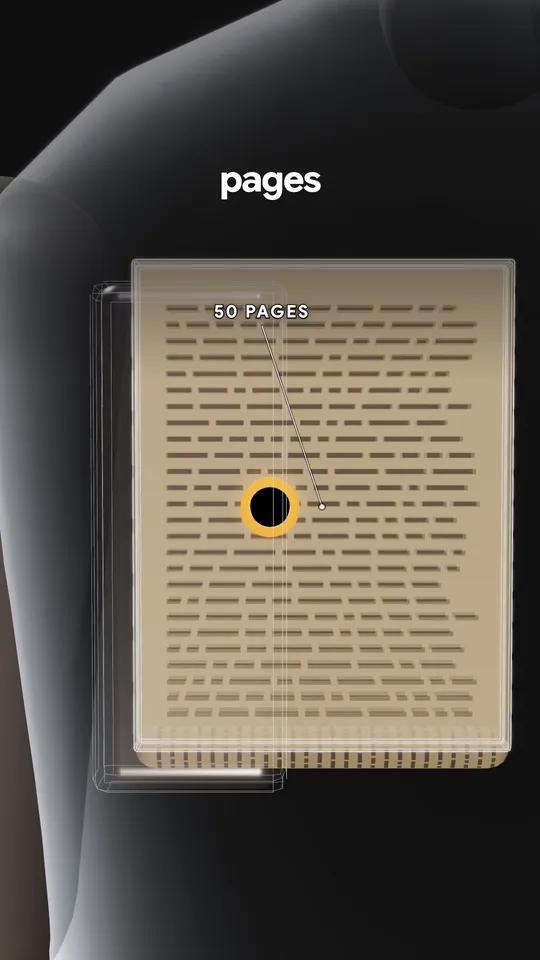
- The beam was thinner than a pencil. It measured about 2 by 3 mm, entered the back of his head and came out beside his nose. RBTH · Gizmodo
- The dose was hundreds of times lethal. Estimates put it at about 2,000 Gy going in and 3,000 Gy coming out. RBTH calls it about 300 times the lethal amount. Wikipedia · RBTH
- Doctors expected him to die. By the next morning his face had swollen, and he was taken to a hospital in Moscow. He lived, but his left ear went deaf and the left side of his face became paralysed over about two years. He later returned to work at the same facility. Gizmodo · RBTH
- The narrow beam most likely saved him. A deadly dose usually kills by wrecking the bone marrow, so the body stops making new blood cells, and that takes most of the body being hit. Discover says the narrow beam "likely helped" by keeping the damage concentrated. CDC, acute radiation syndrome · Discover