How does a table saw stop when it touches skin?
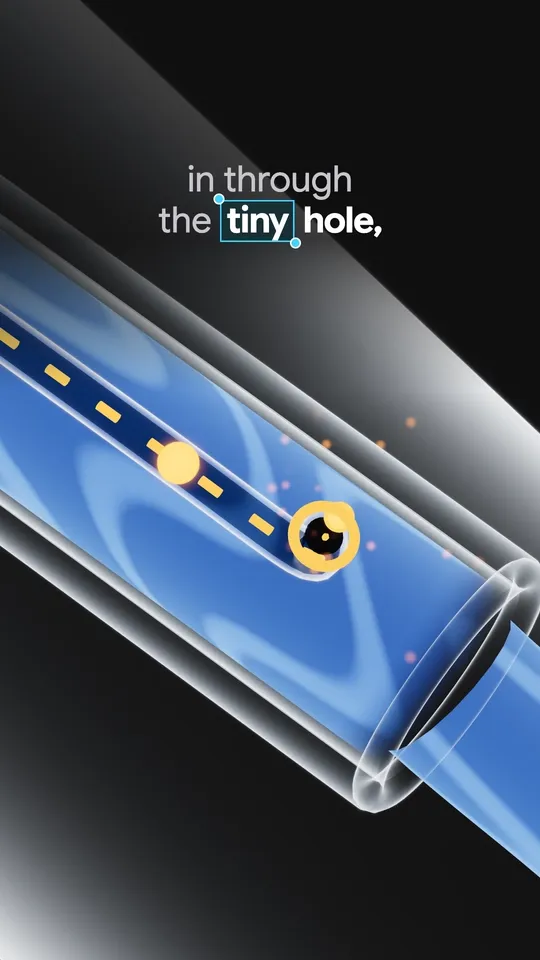
Some table saws send a weak electrical signal through the spinning blade, and skin makes that signal drop. Dry wood doesn't change it. The moment it drops, a spring slams a block of aluminum into the blade's teeth, and the blade stops before a hand can pull away. A small cut is the usual result, not a guarantee.
What the reel shows
The reel opens on a thumb slipping into a spinning table saw blade and coming away with only a small cut. It goes back to 1999 and an inventor's workshop, where a hot dog goes into the blade, and then, in spring 2000, his own finger. Then the saw turns to glass: a weak signal runs through the blade and drops when a finger touches it, and a spring fires an aluminum block into the teeth. A label gives the maker's figure for the stop, under 5 milliseconds.
Transcript
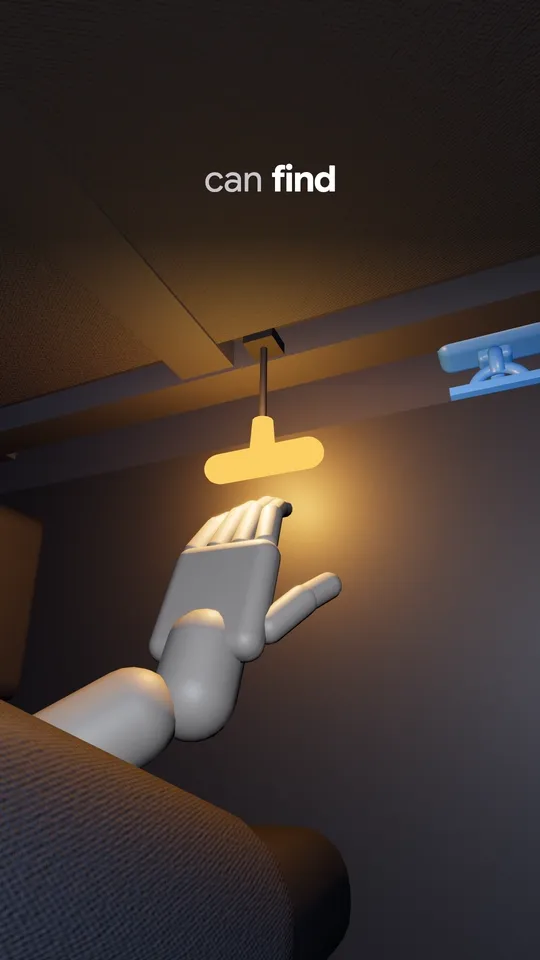
Your thumb slips into the spinning blade of a table saw, and you pull your hand back with only a small cut. Some table saws stop the moment the blade touches skin. In 1999, an inventor built a table saw that stopped for skin. He pushed a hot dog into the blade, and the blade stopped with only a nick in the hot dog. But a hot dog is not a finger. So the inventor pushed his own finger into the spinning blade. The blade stopped. His finger hurt and bled, but the inventor kept his finger. So how does the blade know it's touching skin? The saw sends a weak electrical signal through the blade while it spins. Dry wood doesn't change the signal. But electricity can flow through your body, so the moment the blade touches your skin, the signal drops. And the moment the signal drops, a spring slams a block of aluminum into the teeth of the blade. The blade stops dead before a hand can pull away, so the inventor kept his finger, and you keep your thumb.
The facts, with sources (7)
- Some saws stop the instant they touch skin. NPR reported in 2006 that the invention "can shut down a table saw the instant it touches human flesh". The maker says the blade senses skin through an electrical signal, and a change in that signal triggers a brake. NPR, 2006 · SawStop, the maker
- A finger makes the signal drop. The saw puts "a very slight electrical current on the blade that is monitored by a computer chip inside the saw". Wood does not conduct electricity, but a finger does, and "a sudden drop in voltage indicates a conductive foreign object, like a finger". NPR, 2010 · Machine Design, 2010
- A spring forces an aluminum block into the teeth. The drop sends a surge of current into a fuse wire that holds back a spring, which then forces an aluminum "brick" into the teeth of the blade. The blade also drops down into the table, away from the hand. Machine Design, 2010 · NPR, 2010
- It stops faster than a person can react. The maker's own figure is under 5 milliseconds for the whole stop. NPR reported the brake firing about 3 thousandths of a second after the blade touched a hot dog. Without it, the inventor says, a carpenter would have lost three fingers before he could react. SawStop technology page (archived) · NPR, 2010
- He tested it with hot dogs. The inventor, Steve Gass, is a woodworker, a physicist and a patent attorney. A hot dog has about the same salt and moisture content as a human finger, and in his testing "usually the hot dogs only got a few nicks". NPR, 2010 · Festool interview, 2019
- Then he used his own finger. In spring 2000 he pushed his left ring finger into the spinning blade, and the blade stopped. He told Inc. it "hurt like the dickens and bled a lot", but the finger stayed intact. He called it "the hardest thing I've ever done". Inc., 2005 (archived) · JLC, 2007
- Most table saws didn't have it. In 2010, NPR reported that the vast majority of table saws sold still had no such brake. In 2017 it reported more than 4,000 table saw amputations a year in the US. NPR, 2017 · NPR, 2010